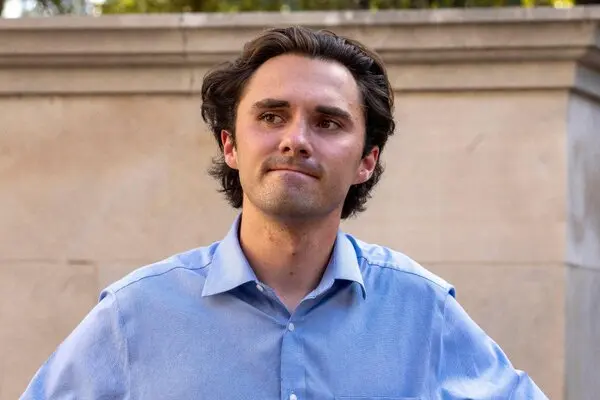
Gun control activist David Hogg’s short-lived tenure with the Democratic National Committee (DNC) has officially come to an end, closing a chapter marked by internal dissent and organizational friction.
Hogg, along with Pennsylvania State Representative Malcolm Kenyatta, was elected as a vice chair of the DNC Youth Council in February. However, last week, the DNC voted to void the results of that election after a losing candidate filed a complaint alleging that the process disadvantaged female candidates—though the specific rule allegedly violated remains vague.
The decision to reverse the results effectively removed Hogg from his leadership post. Rather than face a re-vote, Hogg announced he would not seek the position again, acknowledging the writing on the wall.
The controversy surrounding Hogg’s appointment was not entirely surprising. His notoriety stems largely from his vocal advocacy for strict gun control measures and his polarizing presence on social media. Critics within and outside the party questioned the wisdom of placing someone with no legislative experience—and a well-known penchant for attacking fellow Democrats—into a leadership role.
Hogg had previously made headlines for threatening to primary Democratic incumbents he viewed as too old or ineffective, often through his political action committee, Leaders We Deserve. His confrontational approach reportedly created tension within the party ranks, with reports suggesting that DNC Chair Ken Martin was personally distressed by Hogg’s disruptive influence.
Even among Democrats who share his anti-gun views, Hogg’s style and self-promotion appeared to rub many the wrong way. A now-deleted Twitter poll he conducted asking if people supported his leadership was met with overwhelming rejection—something his critics have used as a measure of his lack of grassroots support.
In stepping aside, Hogg criticized what he called a “lack of vision” from Democratic leadership and doubled down on plans to continue using his PAC to target Democratic incumbents in upcoming primaries.
While his departure from DNC leadership may bring a temporary sense of relief to party insiders, it also signals continued turbulence ahead. Hogg’s PAC is expected to retain substantial funds—ironically raised in part through DNC infrastructure—and his commitment to primarying sitting Democrats will likely continue to create friction within the party.
From the perspective of Second Amendment advocates, Hogg’s exit is a welcome one. Although his views still mirror those of many Democratic leaders when it comes to gun control, his official absence from DNC leadership gives the party marginally more distance from one of the most polarizing anti-gun voices in American politics.
Whether his continued activism from the outside weakens or strengthens the party’s position on firearms remains to be seen. What is clear, however, is that David Hogg’s ambition and combative style will remain a challenge for Democrats trying to maintain unity ahead of the next election cycle.