From frontier settlements to modern neighborhoods, armed citizens have often stepped in when danger arrived before help could.
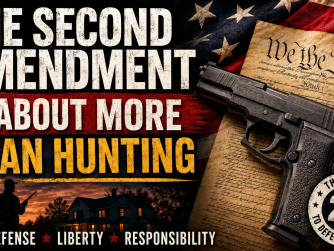
The Second Amendment has long been defended as more than a protection for hunting or sport shooting. For many Americans, it represents the right to defend themselves, their families, and their communities when immediate danger strikes.
While police play an essential role in public safety, they cannot be everywhere at once. Throughout American history, there have been numerous examples of ordinary citizens using legally owned firearms to stop violent attacks, protect innocent lives, or help restore order during emergencies.
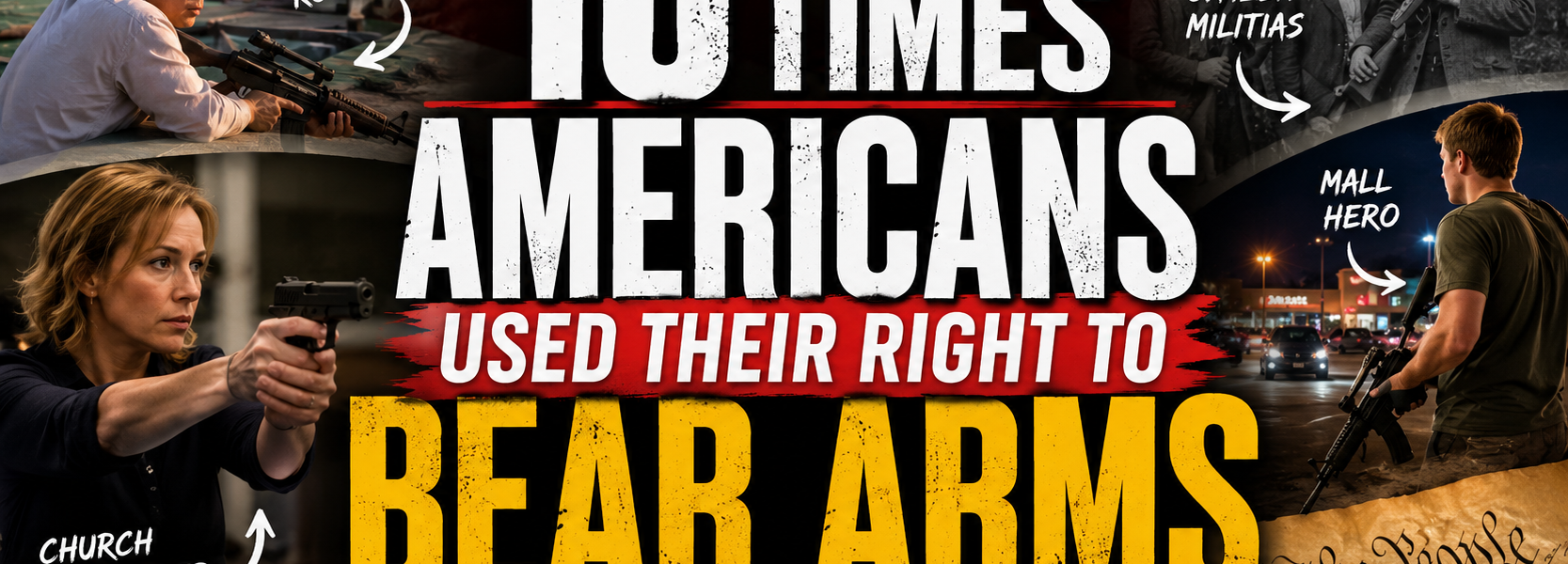
Here are ten notable examples.
1. The Battle of Athens (1946)
One of the most famous examples occurred in Athens, Tennessee, where returning World War II veterans believed corrupt local officials had stolen an election and intimidated voters.
After deputies allegedly fired on citizens and barricaded themselves inside the county jail with ballot boxes, the veterans retrieved their privately owned firearms and surrounded the building. The standoff ended with the surrender of the deputies and the ballots being counted, restoring the election’s outcome.
Many historians cite the Battle of Athens as an example of citizens resisting local government corruption.
2. Korean-American Store Owners During the 1992 Los Angeles Riots
When riots engulfed Los Angeles following the Rodney King verdict, thousands of businesses were looted and burned.
In Koreatown, many business owners found themselves largely without police protection. Armed shopkeepers stood guard on rooftops and outside their stores, helping deter looters and protecting businesses that represented their families’ life savings.
The image of the “Roof Koreans” has become an enduring symbol in discussions about self-defense and community protection.
3. The New Life Church Shooting (2007)
A gunman opened fire at New Life Church in Colorado after already killing people elsewhere that day.
Volunteer security member Jeanne Assam, carrying a legally owned handgun, confronted the attacker and shot him before he could reach the crowded sanctuary.
Investigators concluded her actions likely saved many lives.
4. The Greenwood Park Mall Shooting (2022)
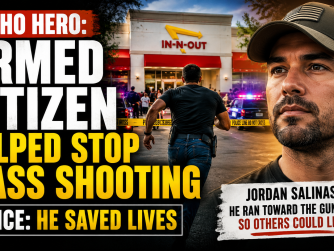
A gunman entered an Indiana shopping mall and began firing into a crowded food court.
Within seconds, legally armed civilian Elisjsha Dicken engaged the attacker from a considerable distance and stopped the shooting.
Police publicly praised Dicken’s actions, stating that many additional lives were likely saved because of his quick response.
5. The White Settlement Church Shooting (2019)
During a church service near Fort Worth, Texas, an armed attacker opened fire.
Volunteer security team member Jack Wilson responded almost immediately, stopping the attacker with a single shot before the violence spread throughout the congregation.
The incident became one of the most widely cited examples of trained civilian preparedness.
6. Hurricane Katrina Neighborhood Defense (2005)
In the aftermath of Hurricane Katrina, many neighborhoods experienced widespread looting while emergency services struggled to respond.
Residents in several communities organized neighborhood watches, with some legally armed citizens protecting homes, businesses, and vulnerable neighbors until normal law enforcement operations resumed.
The disaster also reignited debate over firearm confiscations during emergencies.
7. The Appalachian Frontier Militias
Long before modern police departments existed, settlers on the American frontier often relied on locally organized militias composed of ordinary citizens.
These groups defended settlements from raids, protected supply routes, and responded to emergencies when government forces were days or weeks away.
Their experience influenced many of the Founders’ views on the importance of an armed citizenry.
8. Texas Church Security Teams
Following several high-profile church attacks, many congregations across Texas established volunteer security ministries composed of trained members carrying firearms where permitted by law.
These teams have become increasingly common as churches seek to improve emergency preparedness while allowing worship services to continue safely.
9. Armed Citizens Stopping Active Shooters
Each year, there are documented cases in which legally armed civilians intervene during violent attacks before law enforcement arrives.
While not every intervention receives national media attention, several have been recognized by police departments as having prevented additional casualties.
These incidents continue to shape the national debate over concealed carry and civilian self-defense.
10. Neighborhood Defense During Civil Unrest
During periods of civil unrest in several American cities over the past decade, some business owners and residents legally stood watch outside homes and storefronts after police resources became stretched.
Supporters argue these efforts discouraged vandalism and looting while allowing communities to protect local businesses until order returned.
The Larger Debate
Supporters of the Second Amendment point to these events as evidence that ordinary citizens can play a meaningful role in protecting their communities during extraordinary circumstances. They argue that police response times, natural disasters, and rapidly unfolding violent attacks demonstrate why many Americans choose to own firearms.
Critics counter that broader firearm availability also carries risks and advocate for different policy approaches to reducing violence.
Regardless of where one stands in the debate, these events have become part of the modern conversation surrounding the Second Amendment and the role of armed citizens in American society.
For millions of Americans, the right to bear arms is not simply about owning a firearm. It is about the belief that free citizens retain the ability—and sometimes the responsibility—to defend themselves and those around them when seconds matter and help is still minutes away.