
Firearms aren’t just tools. They’re mechanical time capsules, cultural flashpoints, and, in many cases, outright engineering oddities. Long before modern political arguments, guns evolved through trial, error, genius, and sometimes sheer insanity.
Here are some strange, fascinating, and often overlooked gun facts that every Second Amendment enthusiast is likely to enjoy.
1. The AR-15 Was Never Designed for “Spray and Pray”
Despite the rhetoric, the AR-15 platform was designed around accuracy, controllability, and modularity, not indiscriminate fire. Its lightweight design allows faster target reacquisition and more precise shot placement compared to heavier battle rifles of earlier eras.
Ironically, the very features critics label as “dangerous” are the same ones that make the rifle easier to use responsibly.


2. Suppressors Were Invented for Civility, Not Crime
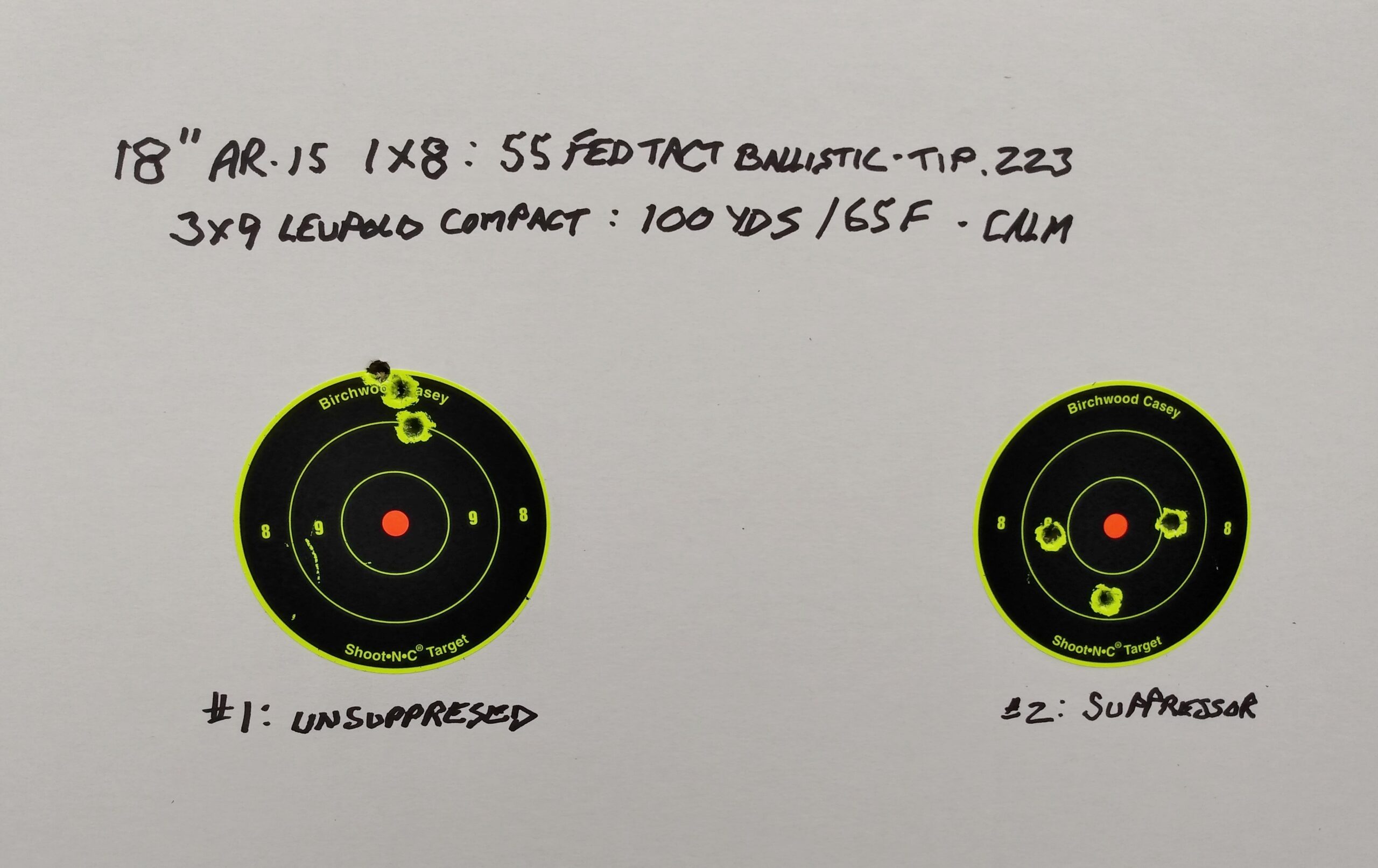
Suppressors were originally marketed in the early 1900s as a way to protect hearing, reduce recoil, and avoid disturbing neighbors or livestock. They were even advertised in sporting catalogs.
The idea that suppressors are tools of assassins is a Hollywood invention. In reality, suppressed firearms are still loud, just less damaging to human hearing.
In many European countries, suppressors are easier to buy than in the U.S.


3. The First “Gun Control” Laws Were About Race, Not Safety
Some of the earliest gun restrictions in American history were explicitly designed to disarm freed slaves and Native Americans, not to reduce violence.
Post-Civil War “Black Codes” restricted firearm ownership for newly freed Black Americans, while frontier laws frequently exempted white settlers but barred indigenous people from possessing arms.
Modern gun debates rarely acknowledge this uncomfortable history.
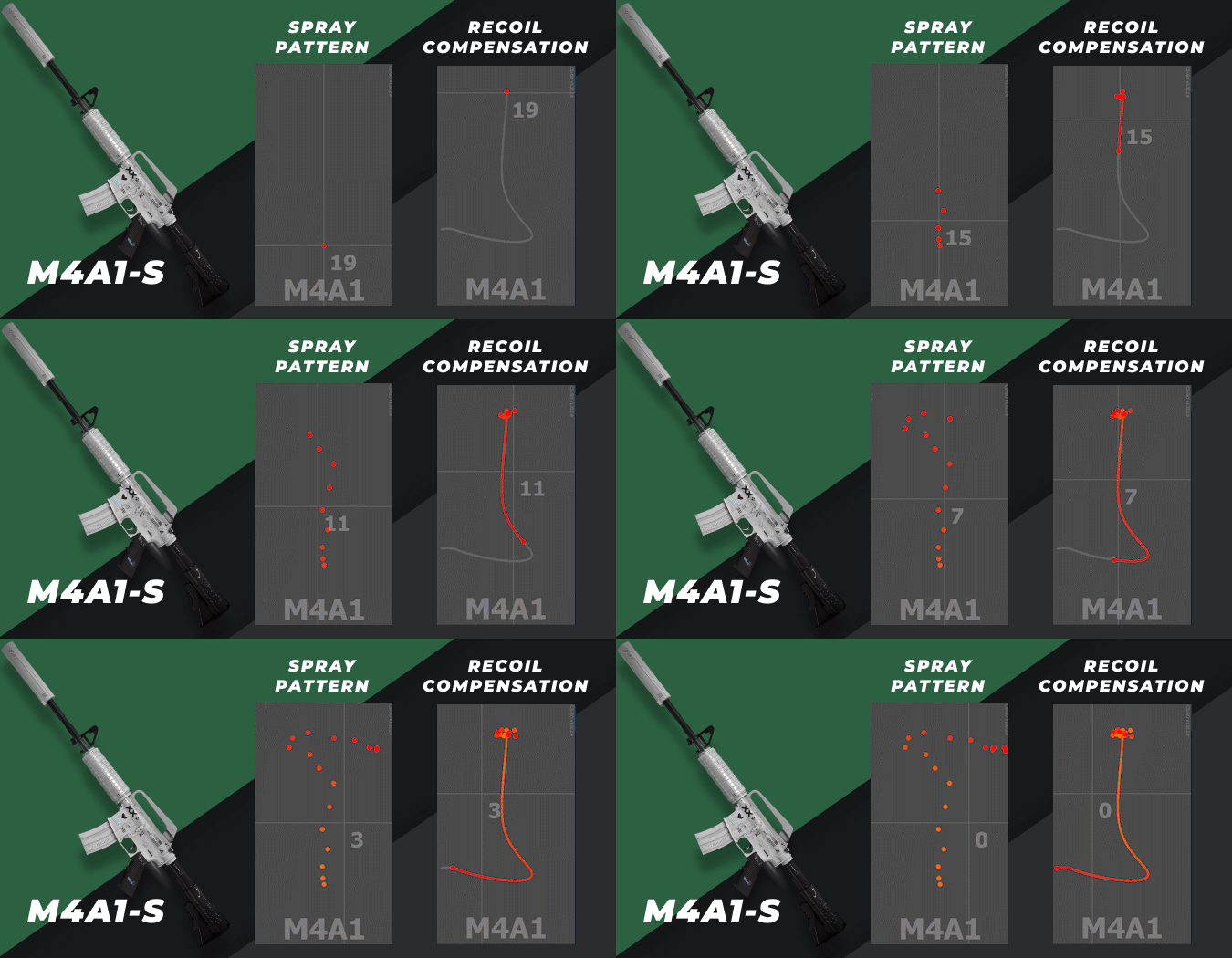
4. Full-Auto Fire Is Terrible for Accuracy
Movies have convinced generations that automatic fire is devastatingly effective. In reality, full-auto is wildly inefficient for most real-world applications.
This is why nearly every modern military shifted to semi-automatic or burst-fire doctrine decades ago. Ammunition conservation and accuracy win fights, not noise.
Most civilian shooters quickly discover that controlled fire beats mag dumps every time.


5. Guns Are Older Than the United States by Centuries
Firearms existed long before America, but what made the United States unique was not inventing guns—it was enshrining private ownership as a protected right.
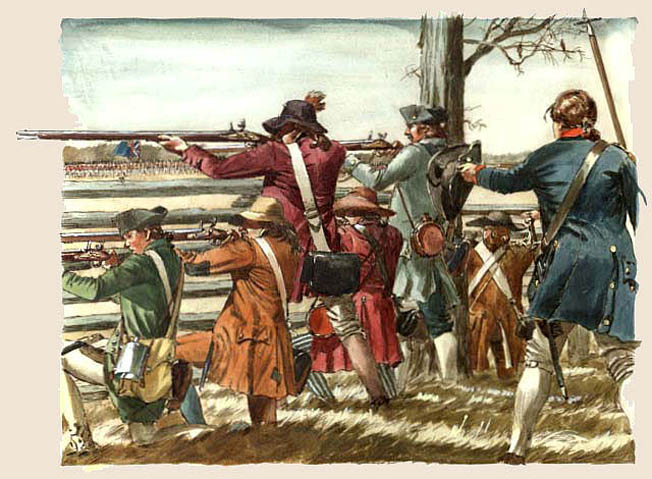
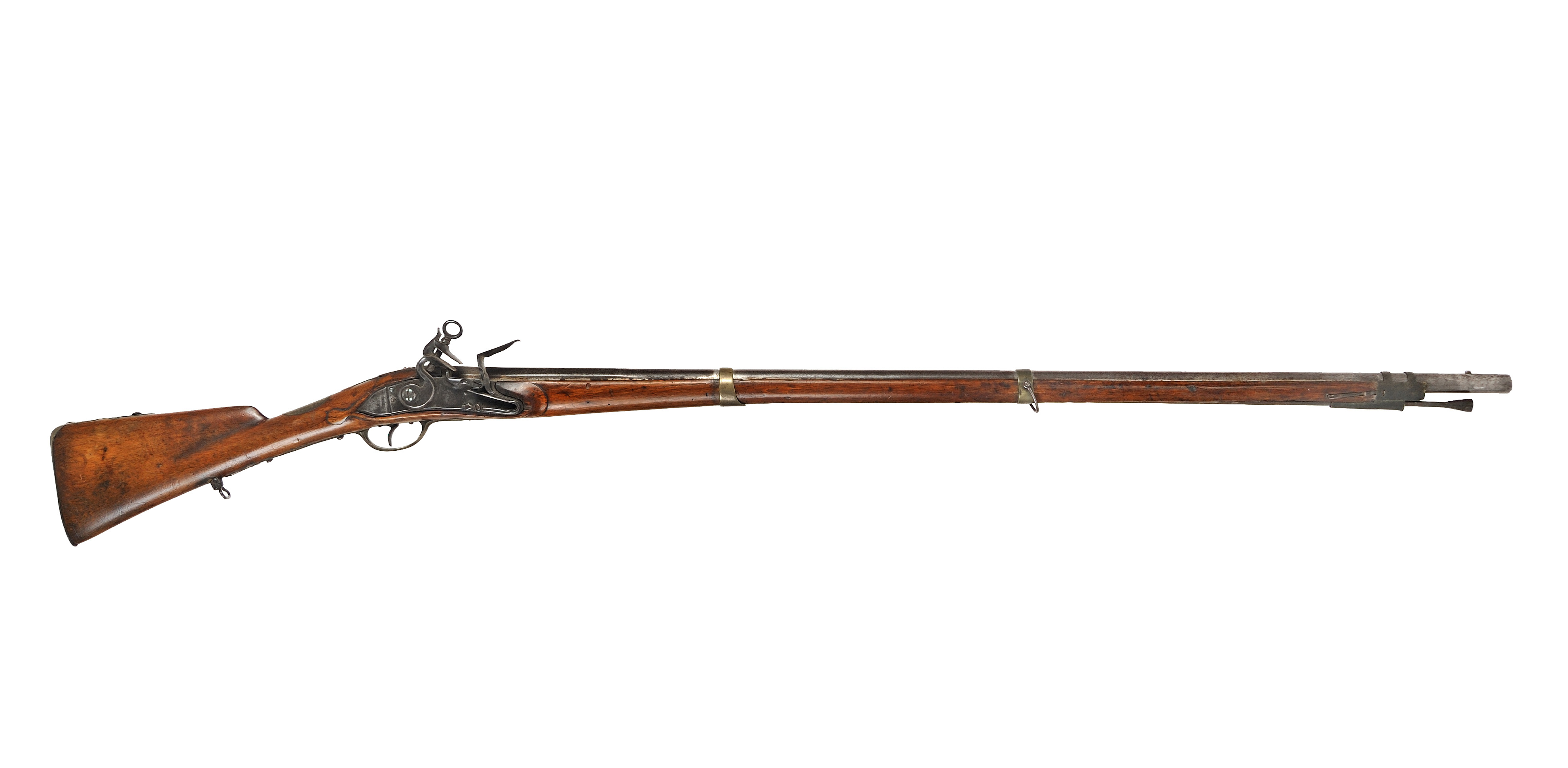
At the time of the Second Amendment, civilians owned weapons equal to or better than those carried by standing armies. The idea that citizens were only meant to have inferior arms is a modern reinterpretation, not a historical one.
6. Revolvers Rarely “Jam” but Fail in Worse Ways
Revolvers have a reputation for reliability, and that reputation is mostly earned. But when a revolver malfunctions, it often requires tools and time, not a simple tap-rack fix.
A semi-auto can usually be cleared in seconds. A seized revolver may be completely dead until repaired.
Reliability comes with tradeoffs.
7. Bullet Design Matters More Than Caliber
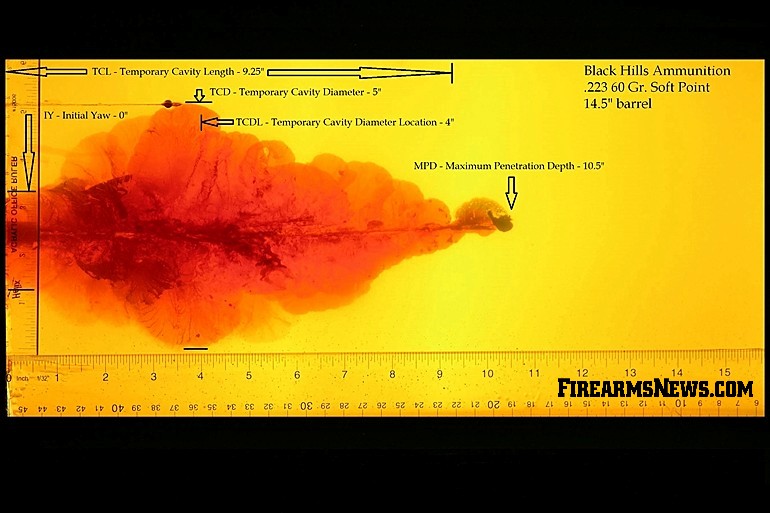
Most debates fixate on caliber size, but terminal performance is influenced far more by bullet construction than diameter alone.
Hollow points, soft points, bonded cores, and fragmenting designs all behave differently on impact. Shot placement remains king, but bullet engineering is the quiet variable most arguments ignore.


8. The “Gun Show Loophole” Is Mostly a Myth
Federal law already prohibits private sellers from knowingly selling to prohibited persons. Commercial sellers must conduct background checks regardless of location.
Gun shows are simply venues—not legal exemptions. The term “loophole” persists largely because it sounds more alarming than “existing private sale laws.”
9. Civilian Marksmanship Shaped the Military
American military marksmanship benefited heavily from civilian shooting culture, not the other way around. Competitive shooting leagues, hunting traditions, and private firearm training helped create a population already familiar with firearms.
This tradition helped shape early American military effectiveness and continues to influence training doctrine today.
10. The Second Amendment Was About Deterrence, Not Hunting
While hunting mattered culturally, the Second Amendment was primarily about power balance—between citizens and the state.
It wasn’t written because the founders loved deer. It was written because they understood that armed citizens deter tyranny more effectively than words on paper.
That principle remains uncomfortable precisely because it still applies.

Final Thought
Gun culture is often portrayed as crude or simplistic. In reality, it’s steeped in history, mechanical sophistication, and philosophical debate.
Whether you’re drawn to firearms for liberty, craftsmanship, sport, or self-defense, the deeper you dig, the stranger—and more interesting—the story becomes.